
The Foundation's archive grew out of early promises that collected observations should survive individual researchers and funding cycles.
The early collections
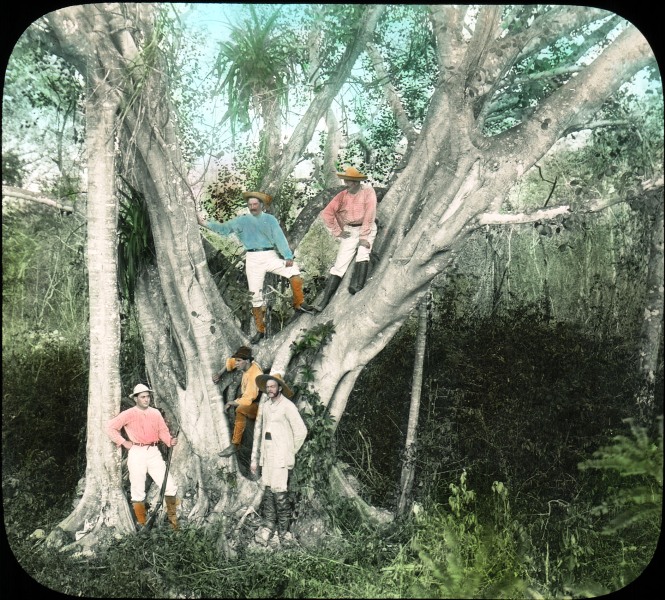
The earliest accession registers describe expedition notebooks, botanical specimens, maps, coastal soundings and correspondence with regional scientific societies. Field photographs document the daily labor behind a century of natural-history observation.
Original materials are preserved in controlled collections, and select finding aids are available to researchers by arrangement.
Records with contested histories
An archive is a collection of evidence, not a single agreed narrative. Among the best-known early holdings are newspaper accounts of the 1907 Vesper fire, correspondence about whaling concessions and a set of conflicting reports on the ship's planned voyage.
The archive retains descriptions of these materials without claiming that later institutional interpretation resolves every discrepancy.
Access and preservation
Digitization priorities include notebooks at risk of deterioration, photographs used by conservation historians and records relevant to active ecological comparisons. Researchers interested in specific collections may contact the archive through the Foundation's general inquiry route.